OnePlus 15, the successor to the OnePlus 13, is… well, kind of weird — I mean, it’s very different, from looks to specs. It’s honestly a mix of upgrades and downgrades.
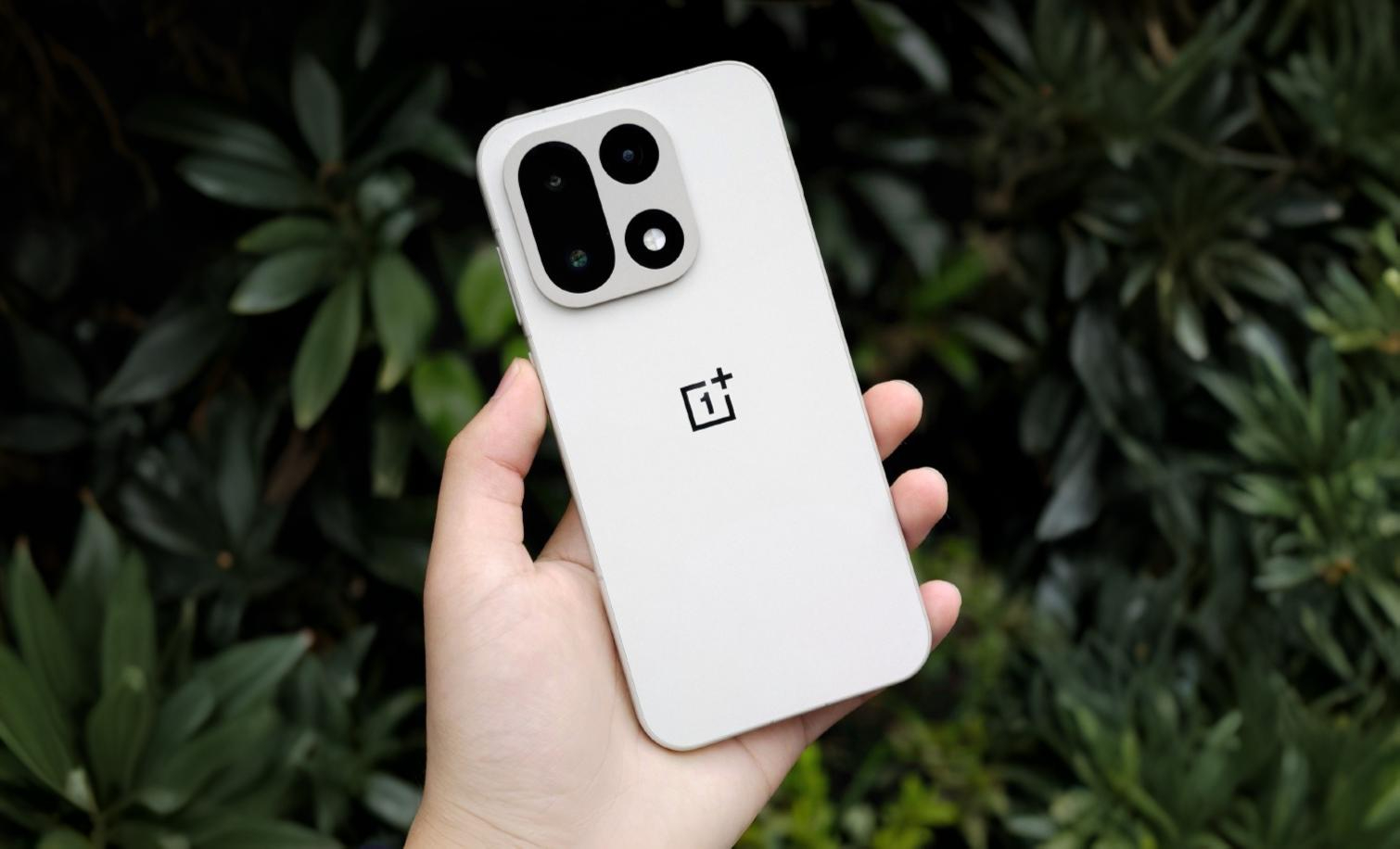
Starting from the surface, it looks quite similar to the compact OnePlus 13T — except the color spectrum sensor has been swapped out for something more useful: a telephoto lens. It’s not compact anymore, but it’s still slightly smaller than the OnePlus 13 (which had a 6.82-inch display). Rumors suggest 6.78 inches this time.
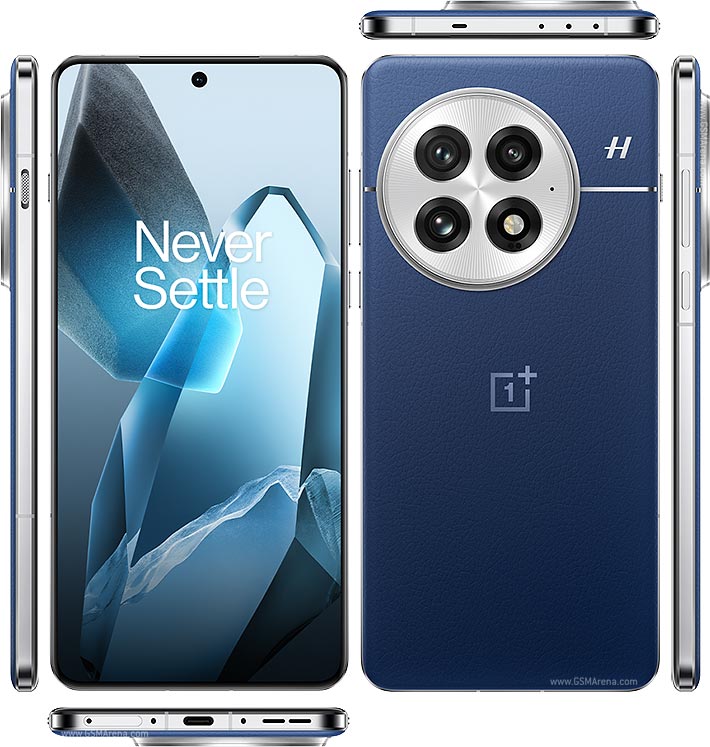
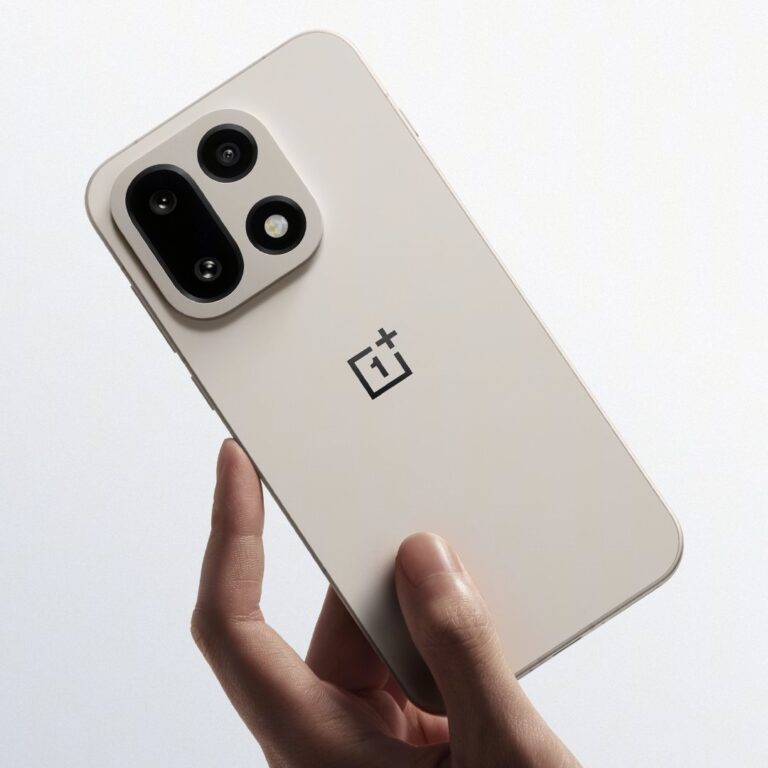
But there’s more to the redesign. Like the 13T — or 13s globally — the OnePlus 15 seems to have a wider aspect ratio. OnePlus hasn’t officially confirmed the numbers yet, but based on the official images, it looks close to the compact model. It’s unlikely OnePlus would compromise one-handed usability. After all, this is a much larger device. That suggests the width might stay the same as the 13, while the height is slightly reduced — which explains the 6.78-inch diagonal.
Now, these changes aren’t limited to design — and not all of them are great. One of the biggest highlights of the OnePlus 13 was its 2K display, which has now been replaced by a 1.5K panel — a clear downgrade. But for some, it might be worth it.
That’s because the OnePlus 15 supports a 165Hz refresh rate, up from 120Hz, and it can even hit 165fps through frame rate interpolation. This is thanks to Snapdragon 8 Elite Gen 5’s built-in frame interpolation tech, which should be more efficient than last year’s dual-chip solution. The lower resolution might actually help it reach that 165fps number more easily.
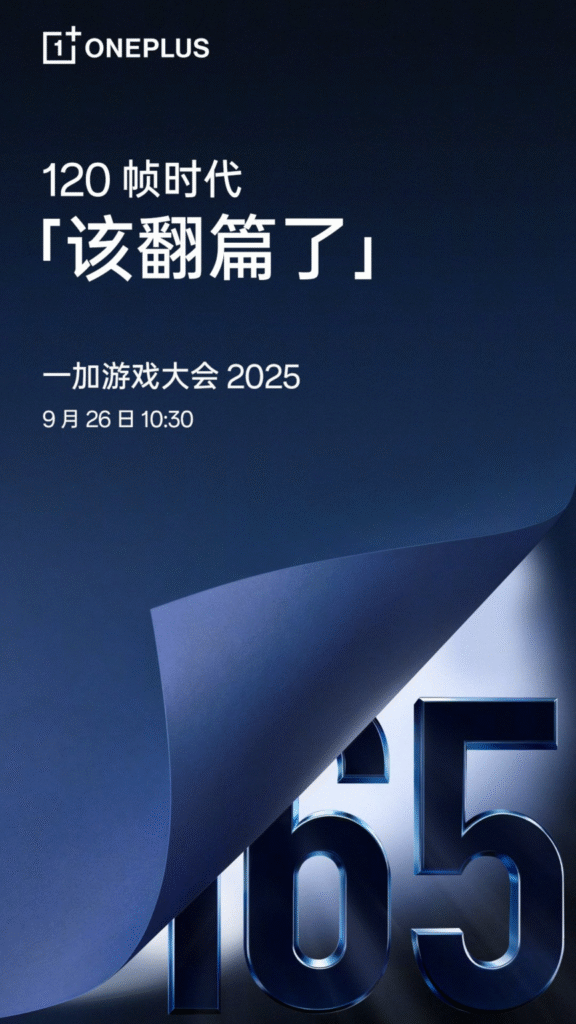
OnePlus has been doubling down on performance lately — with bigger cooling systems and better “gaming engine” tuning for sustained performance. This 165fps feature, even if only a few games support it right now, will grab attention and position the phone as a solid choice for gaming and performance enthusiasts. It’s similar to how Vivo got a lot of buzz for its “200MP” cameras on the X200 Pro and X200 Ultra — even though that number only applied to a specific zoom range.
The bezels are also slimmer this time. OnePlus confirmed just 1.15mm — actually thinner than Xiaomi 17’s.
Under the hood, it’s rumored to pack a 7,300mAh battery — that’s a 1,300mAh jump from the OnePlus 13. And of course, the Snapdragon 8 Elite Gen 5 should bring some performance and efficiency gains.
As for the build, OnePlus says it’s using a new coating called “aerospace-grade micro-arc oxidation” on the aluminum alloy frame — supposedly even more durable than titanium in some ways.
Now, about the cameras. OnePlus has already shared some samples, and they look pretty good. But there’s a big change — the Hasselblad branding and color tuning are gone, replaced by OnePlus’s (or Oppo’s) in-house processing.




The camera hardware tells a mixed story. It still has a triple setup, but the main sensor is rumored to be a slightly smaller 1/1.56-inch Sony LYT-700, replacing the 1/1.43-inch LYT-808. That’s technically a downgrade, though image processing could make up for it.
The telephoto is a similar story. Zoom reportedly increases from 3x to 3.5x, but the sensor size drops from 1/1.95-inch to a much smaller 1/2.76-inch Samsung JN5. The ultrawide retains last year’s JN5 sensor.
The good news? Pricing. It could be cheaper this time — rumors say 3,999 Yuan in China (around $560) for the 12GB + 256GB variant. For context, the OnePlus 13 launched at 4,499 Yuan or about $630. The international pricing will likely differ, but it still hints at a more affordable release.
The OnePlus 15 is expected to launch in China in October and roll out globally in November.
In short, this phone feels more focused on performance — kind of like a gaming flagship — rather than being a balanced all-rounder. The approach reminds me of iQOO’s recent flagships: cutting a few corners, but doubling down where it matters most.